
 The use of pre-nuptial agreements is becoming more widely accepted. People use pre-nuptial agreements often in second marriages or when the parties going into the marriage have unequal financial assets.
Legally Binding Contracts
A pre-nuptial agreement is a legally binding contract. However, it does not become legally binding until it is properly executed by both spouses. If the parties to a marriage do not have a pre-nuptial agreement, in the event of a divorce the State’s divorce laws will determine what happens to marital property and issues involving support between the parties. In New York marital assets are divided pursuant to an equitable distribution law. This leaves the division of the assets of the marriage to be divided by a judge who does not know the parties and may not have the type of insight as to the accumulation of the assets that the parties would be comfortable with.
Children
The parties to a pre-nuptial agreement cannot have provisions in the agreement regarding future children. Parenting matters are not covered by a pre-nuptial agreement. Pre-nuptial agreements specifically deal with financial matters. Issues involving children are decided by courts based on the children’s best interests.
Free Will
The parties to a pre-nuptial agreement must have a free unfettered ability to enter into or to decline to enter into the agreement. If courts determine that one spouse entered into the pre-nuptial agreement under duress or as a result of fraud, the pre-nuptial agreement will not be enforceable.
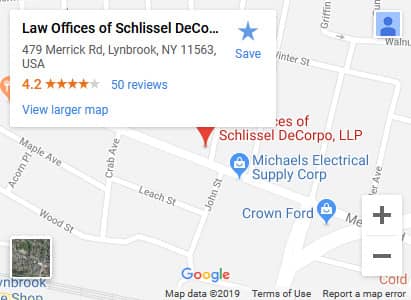
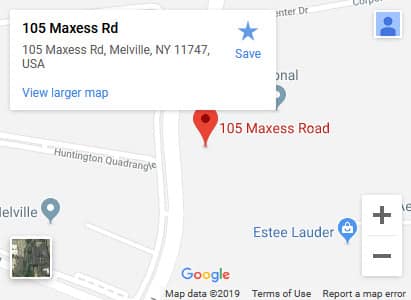
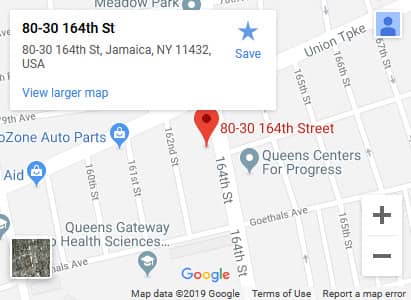
 The law firm of Schlissel DeCorpo LLP has been representing clients for more than 40 years in divorce cases. We can be reached at 718-350-2802, 516-561-6645 or 631-319-8262 or by e-mail at INFO@sdnylaw.com.