
 Since the legalisation of same-sex marriage in many countries, the number of same-sex divorces has naturally increased as well. By definition, same-sex divorce refers to the legal dissolution of a marriage between two individuals of the same sex. Common reasons for it include incompatibility, lack of intimacy, infidelity, health, communication and financial issues, and abuse.
Like any kind of separation, same-sex divorce can be a complex and often emotionally charged process. The legal issues surrounding it can also be complicated and vary significantly from one jurisdiction to another. As such, people with a same-gender sexual orientation are recommended to be aware of these potential legal hurdles to ensure a fair and equitable dissolution of their marriage if they end up in this situation.
This article will outline five key legal considerations for same-sex divorce.
Child Custody and Support
Child custody and support are critical considerations in any divorce, and same-sex couples are no exception. However, same-sex couples often face additional legal challenges in this area, particularly when it comes to establishing legal parentage and navigating the varying laws that may not fully recognise their parental rights.
When addressing child custody and support, couples should prioritise the best interests of the child. This includes determining legal and physical custody arrangements and agreeing on financial support. If unsure, legal professionals can provide essential guidance, particularly if only one parent is biologically related to the child or when the safety and well-being of the child are at stake.
In cases where abuse is a concern, it may be necessary to pursue legal protection orders and secure parental rights through court proceedings. Working with an experienced family lawyer specialising in handling cases involving abuse, like Kelso Lawyers, can help navigate these complexities.
Jurisdictional Issues
Jurisdictional issues arise when determining which state or country has the legal authority to grant a divorce. This can be particularly challenging for same-sex couples who may have married in a different jurisdiction from where they currently reside. Understanding where to file for divorce is crucial to ensure the process is legally recognised and binding.
To address jurisdictional issues, couples should first determine where they have legal residency, as most jurisdictions require at least one spouse to be a resident for a specific period before filing for divorce. It’s recommended to consult legal professionals well-versed in family law in the chosen area to navigate these complexities and ensure the divorce is filed in the correct jurisdiction.
Potential challenges include differing residency requirements and variations in how jurisdictions recognise same-sex marriages. Hence, gathering all necessary documentation and proof of residency is essential. Working with a knowledgeable lawyer can also help overcome these challenges by providing guidance on meeting residency requirements and ensuring the divorce process adheres to the relevant laws.
Division of Assets
The division of assets can be a contentious issue in any divorce, including same-sex divorces. Couples must consider how to equitably divide property, savings, investments, and debts accumulated during the marriage. This process can be complicated by the varying recognition of same-sex marriages across different jurisdictions.
To divide assets, couples should start by compiling a comprehensive list of all assets and debts. This includes bank accounts, real estate, personal property, and liabilities. It’s important to approach this step with transparency and cooperation to avoid prolonged disputes.
Challenges in asset division can arise from discrepancies in how jurisdictions recognise each spouse’s marriage duration and contributions. For example, some jurisdictions may not recognise the entirety of a same-sex marriage if it pre-dates local legalisation. Addressing these challenges requires a clear understanding of local laws and, in some cases, legal intervention to ensure a fair outcome.
Spousal Support (Alimony)
Spousal support, or alimony, may be awarded to ensure that both individuals can maintain a similar standard of living post-divorce. Determining eligibility and the amount of spousal support can be complex, particularly in same-sex divorces where one spouse may have significantly contributed to the other’s career or education.
To determine spousal support, couples should evaluate factors such as the length of the marriage, each spouse’s earning capacity, and contributions made during the marriage. Courts will consider these factors when deciding on spousal support arrangements. This can be overwhelming for some, so it’s recommended that couples engage with legal professionals to present a clear case for fair support.
Unfortunately, proving the duration of the marriage and the contributions made by each spouse is challenging, particularly in jurisdictions that may not fully recognise the marriage duration. Addressing these challenges requires comprehensive documentation and, potentially, legal advocacy to ensure a fair assessment of spousal support.
Tax Implications
Divorce can have significant tax implications. Same-sex couples must understand how the division of assets, spousal support, and other financial aspects of divorce will affect their taxes. Note that proper tax planning can help avoid unexpected liabilities and ensure compliance with tax laws.
To manage tax implications, couples should consult with tax professionals who can advise on how divorce settlements will impact their taxes. This includes understanding the tax treatment of spousal support, capital gains on asset sales, and any potential tax benefits or liabilities arising from the divorce.
However, navigating complex tax codes and ensuring that all financial aspects of the divorce are properly accounted for are challenges in managing tax implications. Working with legal and tax professionals can help address these challenges, ensuring a smooth transition and minimising tax liabilities.
Final Thoughts
Understanding the legal considerations for same-sex divorce is crucial to navigating the process smoothly and ensuring fair outcomes. It’s important to conduct thorough research and stay informed about the relevant laws and legal considerations. If you’re feeling confused or overwhelmed, consulting with legal professionals is always recommended to help clarify and guide you through the complexities of same-sex divorce.
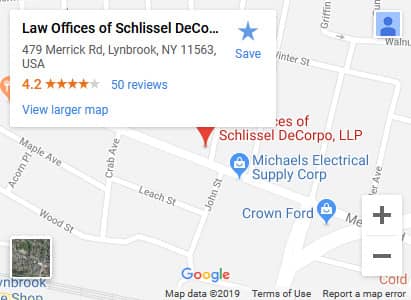
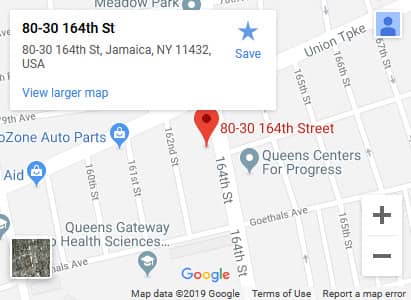
 The law firm of Schlissel DeCorpo LLP has been representing clients for more than 40 years in divorce cases. We can be reached at 718-350-2802, 516-561-6645 or 631-319-8262 or by e-mail at INFO@sdnylaw.com.